
Plots in Gipuzkoa - buy, sell or rent easily

Find plots by category in Gipuzkoa (Province)


Plots for sale with most wanted features


Latest publications of land and houses for sale in Gipuzkoa (Province)
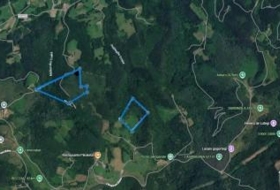
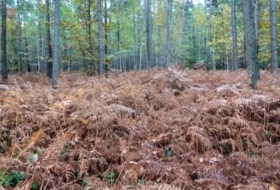
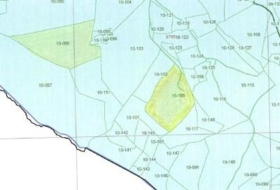
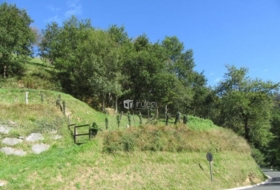
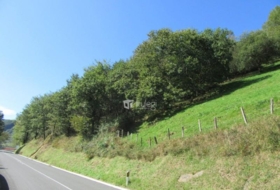
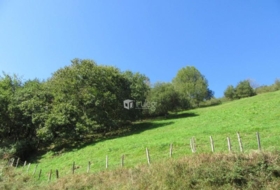
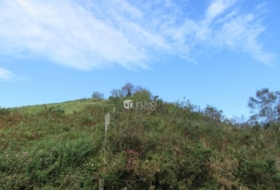
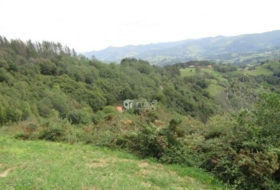




Where to buy land in Gipuzkoa
Gipuzkoa has a high average value of urban land. The cheapest land for sale in the province is in Legorreta, Amezketa and Bergara. Meanwhile, the most expensive urban lots are in Astigarraga, Hondarribia and Ormaiztegi. Developable plots for sale are in a similar situation to urban ones, as they are mainly concentrated in the same areas.
Rustic land is highly valued, as fruit and vegetable growing plays a major role in the province. Its prices are lower than those of urban and developable land, since more of it is available in the region.
The influence of industrial activity on urban planning
Gipuzkoa covers 1,974.46 km², making it smaller than its neighbours Álava and Biscay. It is a diverse territory of valleys and mountains with great natural and forest wealth. This Basque province stands out for its cutting-edge technology industry, which, together with the service sector, is a source of wealth and prosperity.
Industrial activity has had a decisive influence on the urban planning of Gipuzkoa's towns, as it has been the driving force behind their development and the layout of urban space. Over the years industrial space has been reorganised: it had to adapt to urban growth and move to technology parks and industrial estates in the flat valley floors and along riverbanks on the outskirts of towns.
Town centres, meanwhile, are clearly residential and have also taken over the space left by companies that moved to locations better suited to industry.
Today Gipuzkoa has an urban area of more than 13,000 hectares, where the focus is on urban and environmental improvements that raise the quality of life in its towns and urban spaces.
An agricultural land bank for those who need it
This province has more than 39,000 hectares of farmland, and the Department of Economic Promotion, Rural Affairs and Territorial Balance has created the “Agricultural Land Fund” to offer farms to people who want to develop professional projects in agriculture. Land that is not being worked can be offered to anyone interested, who can apply for it to set up a farm.
Horticulture and gardening, a profitable investment
Every year new farmers take up these crops, attracted by their profitability. In fact, Gipuzkoa has more than 1,000 farms selling food, over half of which are devoted to horticulture. Some of these farms have greenhouses and others use hydroponic techniques.
Fruit trees, vineyards and pastures shape the Gipuzkoa landscape
The most notable fruit trees are local apple varieties grown for cider, as well as kiwi and walnut (for both their wood and their fruit).
In recent decades the area of vineyards producing txakoli under the Getariako Txakolina Designation of Origin has grown considerably and today covers almost 400 hectares. There are currently 96 grape growers in Gipuzkoa, and more and more wineries are joining this designation. Its wine is sold mainly in the Basque Country.
The vineyards of native varieties are small and scattered along the coastal strip and in mountain valleys, which suit their cultivation thanks to the terrain and the resulting microclimates, with high rainfall (especially in spring) and many hours of sunshine, as well as cool nights and southerly winds in September that help the grapes ripen.
Annual fodder crops (such as grasses) and perennial meadows and pastures for livestock are also grown here. There are also extensive crops such as the famous Tolosa beans.
Outdoor livestock farming
Dairy cattle come first, followed by sheep, goats and horses.
In spring the animals graze on fresh mountain pastures, and at the end of autumn they return to their stables or farms.
The forest of Europe
This Basque province is one of the territories with the largest forest cover in Europe. 75% of the territory is mountainous and 63% is covered by forests of conifers, pines, beech and Atlantic mixed woodland, among others. 20% is classified as a Protected Natural Area. Its mountainous terrain is crossed by valleys, where farming takes place, and ridges used mainly for forestry and grazing.
Industry and services are the basis of Gipuzkoa's economy
Gipuzkoa has a long industrial tradition and remains committed to this sector, which, despite diversifying and losing weight, is still one of the main engines of its economy. As in the rest of the country, the service sector keeps growing and invests in research and development hand in hand with industry. By contrast, agriculture and fishing have gradually lost importance, as has construction, which has evolved since the 1980s.
In industry, which has diversified and internationalised, small and medium-sized companies predominate. Metalworking ranks first and has become increasingly technical and modern. Other sectors include machinery and electrical equipment, energy, printing, food, transport equipment, rubber and plastics.


